
One last note before the drawer closes,
A small collection is not defined by an exact number. It is a set you can see, understand and return to without fuss. The last step is neither a purchase nor a new organizing trick. It is noticing what already works.
The photographs illustrate the ideas; they are not records of product testing.
Name your repeats
Lay out the bottles and look for shades that play the same role. They need not be identical to be redundant for your routine. If you reach for one more often, put it where you can see it. Keep the others only if they offer a difference that matters to you.
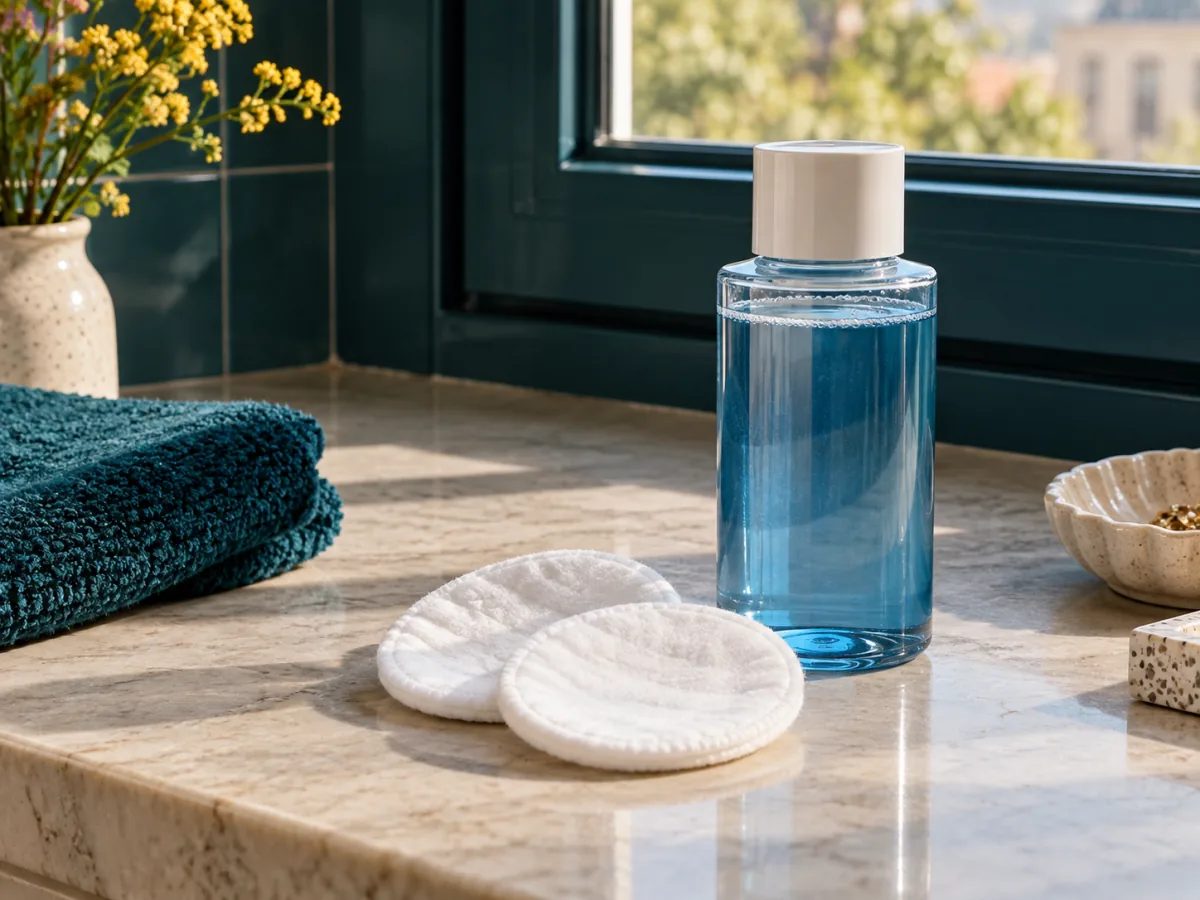
Read before you discard
Check the maker's directions if a product looks changed or is no longer wanted. Follow local disposal guidance for the product and its container. Do not make a decision from a generic wear-time claim or a photograph; neither tells you what a particular formula requires.
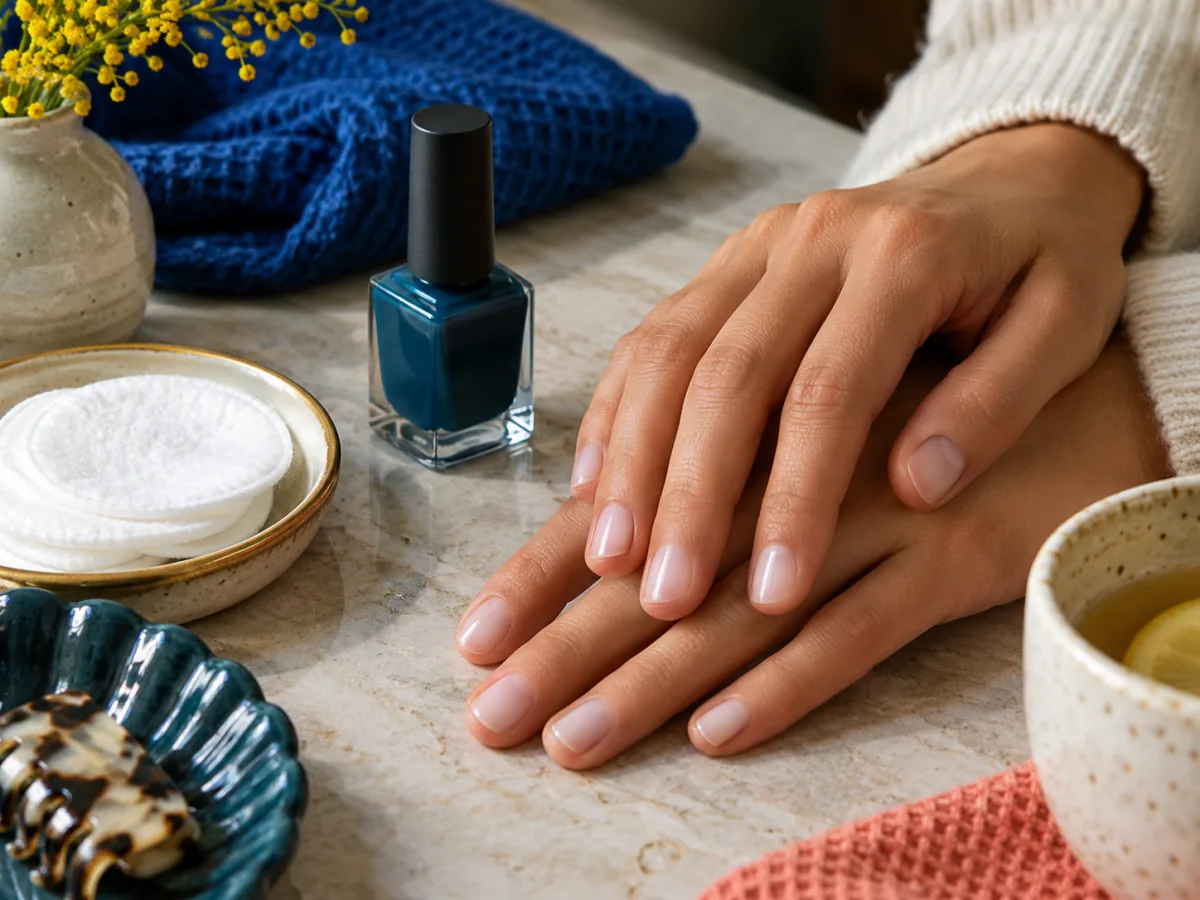
Leave a clear path
Give the bottles a stable place away from conditions their labels warn against. Put the basic application and removal supplies nearby but not mixed into the color row. The goal is not a showroom; it is a setup that lets you start and finish with ease.
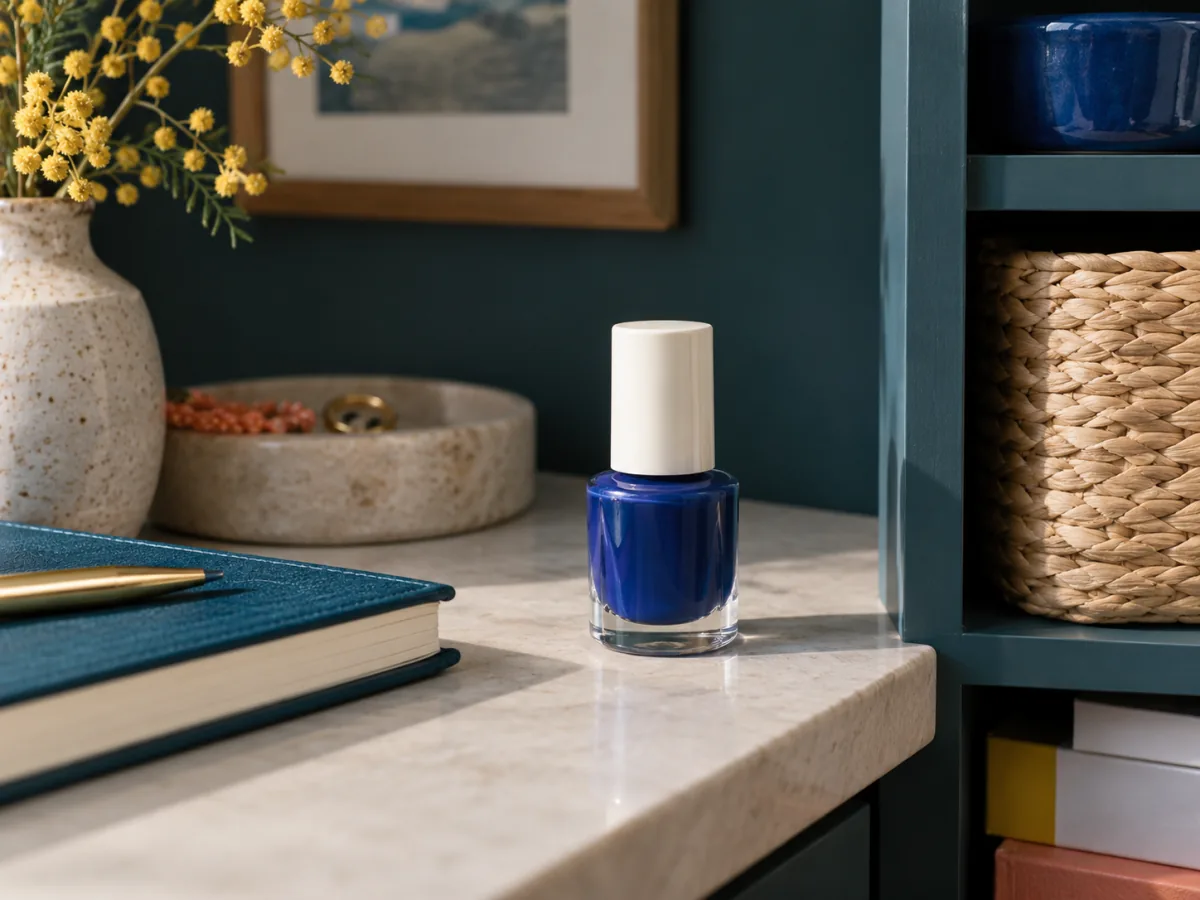
Keep the door open to change
You can edit the collection later. A new color may make sense when it has a job, and an old favorite can make sense for a long time. For today, close each cap, return each bottle, and let the shelf stay small enough to read at a glance.
Color, then consequence. — Paige